
The Contemplations of the Heart
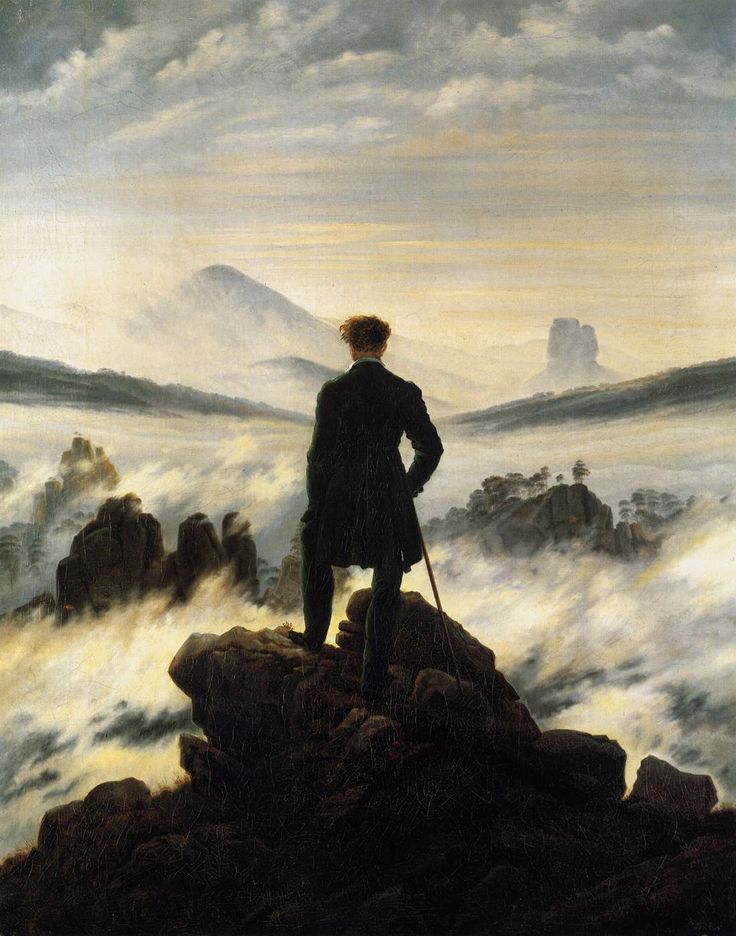
I was sitting in one of my many music seminars at university, when I first heard the harmonious opening of Franz Schubert’s “Der Lindenbaum” played at the piano by one of my professors. He was introducing the class to the world of the 19th century romantics who expressed their deep feelings and contemplations through music and other art forms. It’s the fifth piece in Schubert’s “Winterreise”, a song cycle for voice and piano based on poetry by Wilhelm Müller, that follows a winter’s journey of a wanderer in the throes of a romantic past. The wanderer, typically portrayed by a male singer, narrates this journey as the piano accompanies him giving the story an appropriate harmonic backdrop.
Words translated into English:
| Der Lindenbaum Am Brunnen vor dem Tore,Da steht ein Lindenbaum;Ich träumt’ in seinem Schatten So manchen süssen Traum. Ich schnitt in seine Rinde So manches liebe Wort;Es zog in Freud’ und Leide Zu ihm mich immer fort. Ich musst’ auch heute wandern Vorbei in tiefer Nacht,Da hab’ ich noch im Dunkel Die Augen zugemacht. Und seine Zweige rauschten, Als riefen sie mir zu:Komm her zu mir, Geselle, Hier findst du deine Ruh’! Die kalten Winde bliesen Mir grad’ in’s Angesicht, Der Hut flog mir vom Kopfe, Ich wendete mich nicht. Nun bin ich manche Stunde Entfernt von jenem Ort,Und immer hör’ ich’s rauschen: Du fändest Ruhe dort! | The Linden Tree By the well, before the gate, stands a linden tree;in its shade I dreamt many a sweet dream. In its bark I carved many a word of love; in joy and sorrow I was ever drawn to it. Today, too, I had to walk past it at dead of night; even in the darknessI closed my eyes. And its branches rustled as if they were calling to me: ‘Come to me, friend,here you will find rest.’ The cold wind blew straight into my face,my hat flew from my head; I did not turn back. Now I am many hours’ journey from that place; yet I still hear the rustling: ‘There you would find rest.’ |
In tandem, the voice and piano work together to elegantly tell a story from the heart. As an introduction, the piano calls on the memory of the protagonist who is reminded of how “The Linden Tree” once stood with its leaves gently rustling in the summer wind. He then begins to describe, in the first and second stanzas, his fond romantic memories.
These feelings don’t last however as he’s immediately transported back to his dark wintery reality in the physical and emotional sense, as the piano keys in a minor version of the flowery introduction from the start. In the third stanza, the protagonist’s feelings for the tree have changed because even in the darkness of the night, he had to close his eyes to not look upon it when passing. In the fourth stanza, he further explains how the branches were calling to him to come and “find rest”, but in this bleak romantic context, the protagonist interprets this as finding rest in death; using a branch as a suitable arrangement for the noose. The piano here switches back to a major tonality, complementing the ongoing back and forth inner discussion the protagonist has with himself.
The intense fifth stanza realises the turbulence of the protagonist’s surroundings, and the piano writing in this section is at its most impressive as Schubert decorates the hands to masterfully emulate the howling of a vicious winter wind. What was once a pleasant memory of love and romance, has now become a painful bane that torments the protagonist. He dared not “turn back” towards the tree.
The final sixth stanza describes the current position of the protagonist in relation to the tree. Emphasized by the music’s pace and dynamic, he is in a calmer place. But again the branches still call him to “find rest” and comfort from the turbulent yearnings of his heart.
After finally seeing Der Lindenbaum’s journey to the end, we are brought back full circle. The piano finishes the piece with the elegant flowery brush strokes from its introduction, musically uttering the final words to end its story.








 WAWWBAA